

Salt Water Flush for Weight Loss has become one of the most talked-about natural methods for shedding a few pounds, reducing bloating, and giving the digestive system a quick reset. This simple cleanse involves drinking warm water mixed with sea salt, aiming to flush out toxins and promote temporary weight loss.
Many people searching for fast fixes or detox remedies have turned to the Salt Water Flush for Weight Loss, hoping to boost digestion and feel lighter overnight. But before you jump into this trendy cleanse, it’s crucial to understand how it works, the possible benefits, and the real risks it can pose.
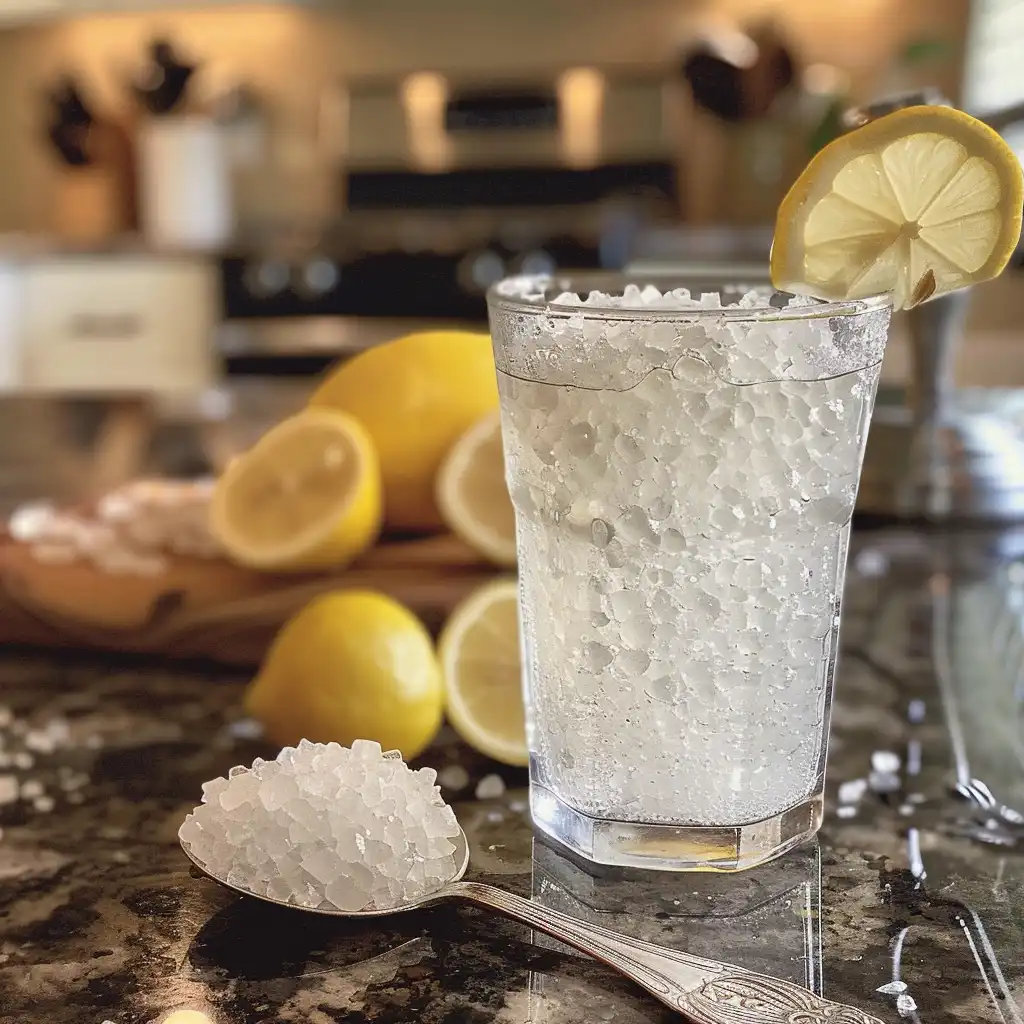
In this comprehensive guide, we’ll walk you through everything you need to know about the Salt Water Flush for Weight Loss, including a step-by-step recipe, expert insights, and healthier alternatives that won’t put your body at risk.
Table of Contents
Boost your fat-burning journey with more delicious natural drinks for weight loss—discover the full list now.
What is a Salt Water Flush?
The Basics of Salt Water Flush: What You Need to Know
The Salt Water Flush, also known as a salt cleanse or master cleanse, is a homemade detox solution made by mixing warm water with non-iodized sea salt or pink Himalayan salt. This mixture is consumed on an empty stomach, typically first thing in the morning, to stimulate rapid bowel movements.
The high salt content forces water into the intestines, triggering a cleansing effect that can lead to several trips to the bathroom. Proponents believe this process helps to:
- Eliminate toxins
- Reduce bloating
- Relieve occasional constipation
- Kickstart temporary weight loss
It’s crucial to understand that the Salt Water Flush for Weight Loss is not a fat-burning solution. Any drop on the scale is usually water weight, not fat loss, and the effects are short-lived.
How Does a Salt Water Flush Work? A Quick Look
When you drink salt water, the high sodium concentration creates an osmotic effect, pulling water into the intestines. This action leads to increased stool volume and stimulates bowel movements within 30 minutes to an hour. This is why some people use the salt water cleanse as a quick fix for digestive sluggishness or feeling bloated.
However, there’s limited scientific evidence to support claims that this method removes toxins or provides sustainable weight loss. Your liver and kidneys already do an excellent job of detoxifying your body naturally. Relying on salt flushes too often can cause dehydration, electrolyte imbalance, and strain on your heart and kidneys.
Discover great ideas like our Blue Salt Trick Recipe to explore more natural cleansing options.
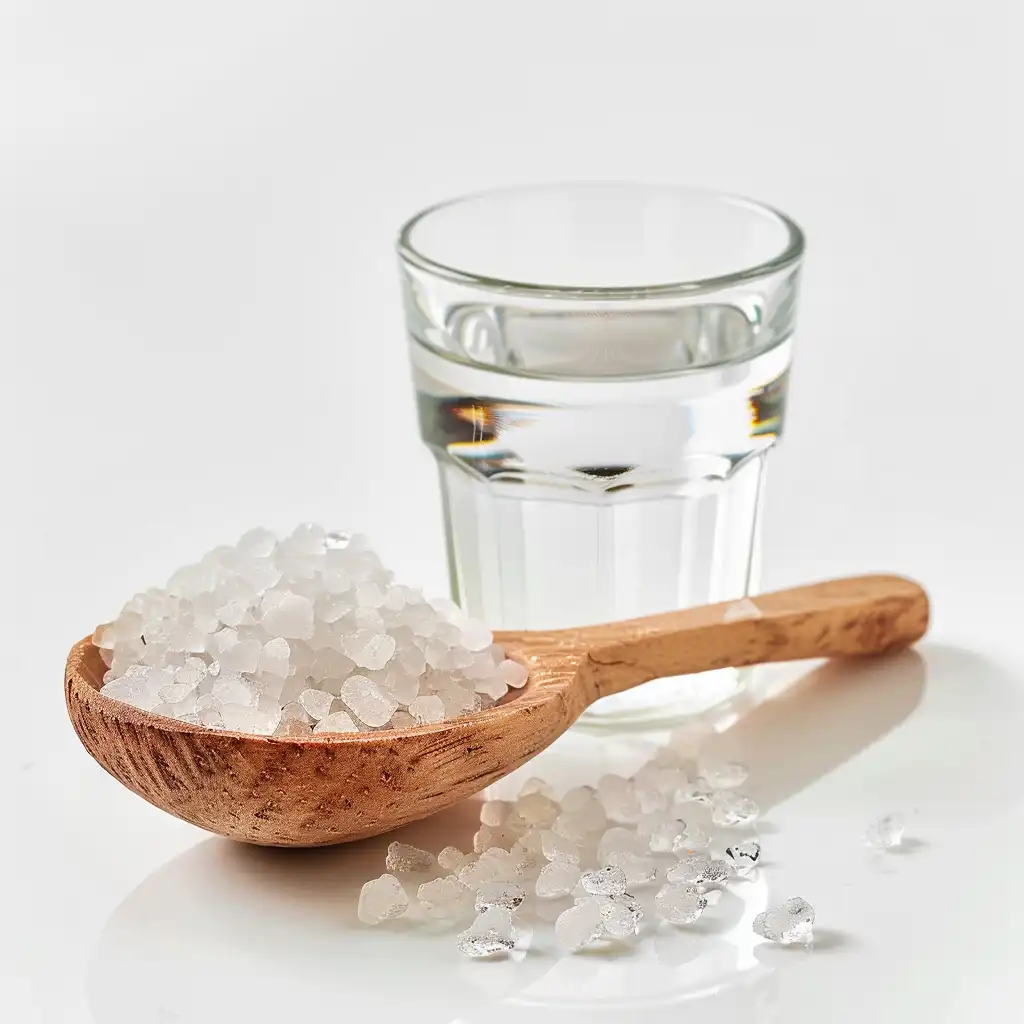
How Does Salt Water Flush Work?
How Salt Water May Support Digestion and Cleanse the Body
The Salt Water Flush for Weight Loss works on a simple principle: when you drink a concentrated saltwater solution, it draws water into your intestines, creating a laxative effect. This process stimulates the bowels, leading to rapid elimination of waste—sometimes within as little as 30 to 60 minutes.
The salt doesn’t get absorbed by the body as regular water would. Instead, it stays in the gut, increasing the liquid volume in the intestines. This extra fluid triggers peristalsis, the natural muscle contractions that move waste through the digestive tract. Supporters of the Salt Water Flush for Weight Loss believe that this quick flush can help relieve bloating, ease temporary constipation, and give the feeling of a flatter stomach.
Many people also report feeling lighter and more energized after performing a Salt Water Flush for Weight Loss, but it’s essential to understand that this is usually a result of temporary water loss and bowel emptying—not true fat reduction.
Don’t miss our popular Pink Salt Trick Recipe for a simple detox you can try at home.
A Closer Look at the Salt Water Cleanse Process
Here’s a step-by-step overview of what typically happens when someone performs a Salt Water Flush for Weight Loss:
| Step | What Happens |
|---|---|
| 1 | Drink the warm salt water solution on an empty stomach, typically in the morning. |
| 2 | Within 30 minutes, you’ll likely feel the urge to have a bowel movement. |
| 3 | Multiple bowel movements may follow, clearing out waste from the colon. |
| 4 | Temporary feelings of lightness, reduced bloating, and sometimes minor weight loss occur. |
While this cleanse may bring short-term digestive relief, the Salt Water Flush for Weight Loss is not a sustainable or scientifically proven weight loss method. The weight that disappears is mainly water, not body fat. Furthermore, overuse of salt flushes can disturb electrolyte balance, potentially leading to dehydration and weakness.
Potential Benefits of Salt Water Flush
Possible Detox and Weight Loss Benefits: What the Research Says
The Salt Water Flush for Weight Loss is often used to relieve bloating, ease constipation, and promote a feeling of lightness. By encouraging bowel movements, it can help clear out waste from the digestive system, which may result in temporary weight reduction.
Many people report feeling slimmer or less sluggish after doing a Salt Water Flush for Weight Loss. However, it’s important to remember that this effect is usually short-lived. The weight lost is mostly water—not body fat—and the body naturally detoxifies itself through the liver and kidneys without the need for salt cleanses.
For those looking for long-term results beyond the quick fix of a Salt Water Flush for Weight Loss, adopting healthy eating habits and regular exercise will be far more effective.
Looking for inspiration? Try this effective Zepbound Recipe for Weight Loss to boost your wellness journey.
Salt Water Flush Recipe & Instructions
Ingredients for a Salt Water Cleanse
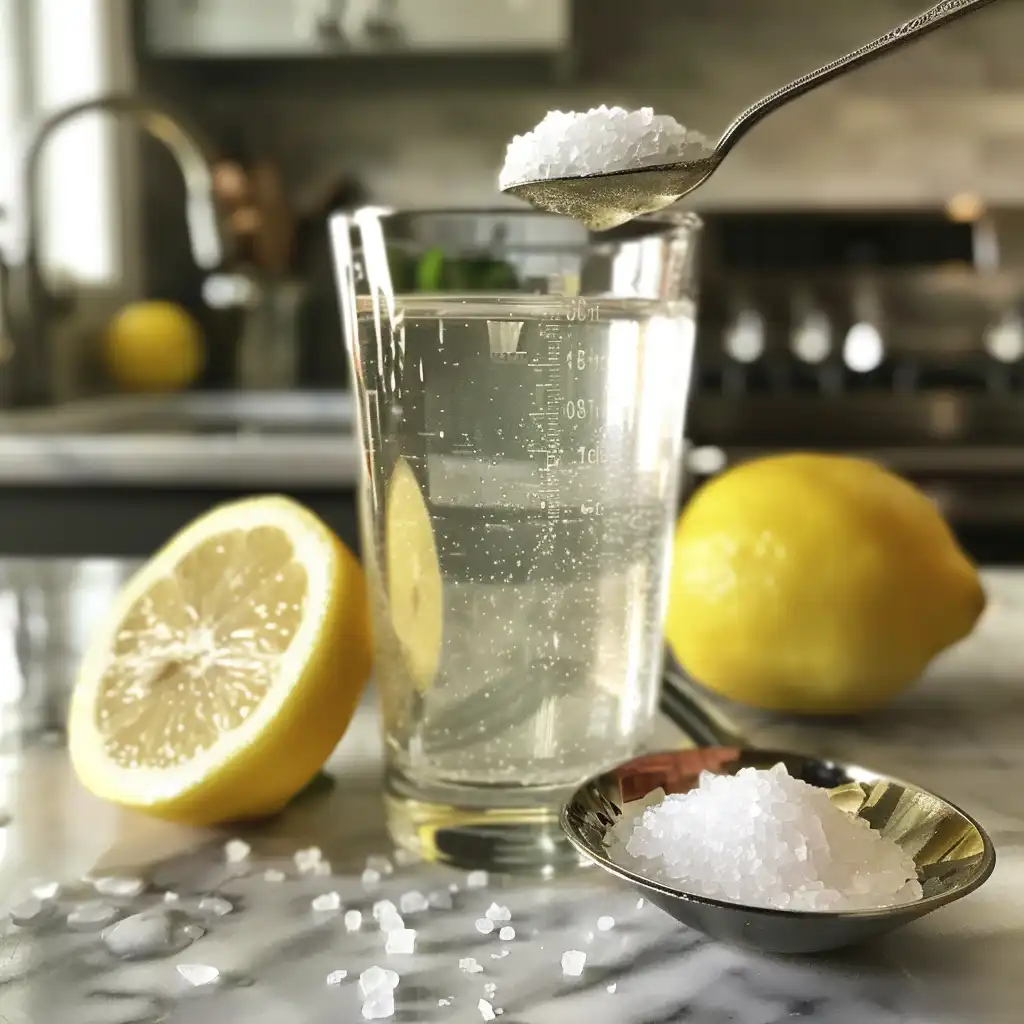
If you’re curious about trying the Salt Water Flush for Weight Loss, it’s essential to start with the right ingredients. The recipe is simple and requires only two main components that you probably already have at home:
| Ingredient | Amount |
|---|---|
| Non-iodized sea salt or pink Himalayan salt | 2 teaspoons |
| Warm filtered water | 4 cups (about 1 liter) |
The salt used in a Salt Water Flush for Weight Loss must be non-iodized. Regular table salt will not produce the desired effect and may cause unnecessary bloating or discomfort. Using high-quality sea salt or pink salt ensures better results and minimizes potential side effects.
Step-by-Step: How to Do Salt Water Flush Safely at Home
- Prepare the Mixture: Dissolve 2 teaspoons of non-iodized salt into 1 liter of warm water. Stir well until completely dissolved.
- Drink It Fast: For the Salt Water Flush for Weight Loss to work, it’s recommended to drink the entire mixture within 5 minutes on an empty stomach—ideally first thing in the morning.
- Wait for Results: You can expect bowel movements within 30 minutes to an hour. Make sure to stay near a restroom as multiple trips are common.
- Rehydrate: After the cleanse, drink plenty of fresh water to restore hydration and support digestion.
Many people feel temporarily lighter or less bloated after this process. However, any weight loss from a Salt Water Flush for Weight Loss is typically water weight, not fat. This method should not be used frequently, as it can disrupt your body’s natural balance.
Salt Water Flush for Weight Loss
Equipment
- large glass or bottle
- teaspoon for measuring
- stirring spoon
Ingredients
- 2 teaspoons non-iodized sea salt or pink Himalayan salt
- 4 cups warm filtered water
Instructions
- Prepare the mixture by dissolving 2 teaspoons of non-iodized salt into 1 liter (4 cups) of warm water. Stir well until completely dissolved.
- Drink the entire mixture within 5 minutes on an empty stomach, ideally first thing in the morning.
- Wait for results: bowel movements should occur within 30 minutes to an hour. Stay near a restroom.
- Rehydrate with fresh water after the flush to replenish lost fluids and electrolytes.
Notes
Risks and Side Effects of Salt Water Flush
Common Risks, Side Effects, and Warnings
While the Salt Water Flush for Weight Loss is popular among those seeking quick results, it’s not without risks. In fact, this method can cause unpleasant side effects and may be unsafe for some individuals, especially if done too often or incorrectly.
The most common side effects of the Salt Water Flush for Weight Loss include:
- Nausea and stomach cramping
- Dehydration and electrolyte imbalance
- Diarrhea and urgency to use the restroom
- Dizziness or faintness due to fluid loss
One of the biggest concerns is dehydration. Because the Salt Water Flush for Weight Loss forces water through the digestive system rapidly, the body can lose vital electrolytes like sodium, potassium, and magnesium. This can lead to weakness, irregular heartbeat, or worse if not addressed properly.
Who Should Avoid Salt Water Flush Completely?
Certain people should avoid the Salt Water Flush for Weight Loss altogether because the risks far outweigh any temporary benefits. You should not attempt this cleanse if you:
- Have high blood pressure or heart disease
- Suffer from kidney problems
- Are pregnant or breastfeeding
- Have a history of digestive disorders such as IBS, ulcers, or Crohn’s disease
Even healthy individuals should use extreme caution and limit the frequency of any salt flush. It’s always wise to consult a healthcare provider before trying a Salt Water Flush for Weight Loss, especially if you have underlying medical conditions.
Check out the refreshing Brazilian Mounjaro Recipe for a natural weight loss drink that supports your goals.
Frequency & Safe Use Guidelines for Salt Water Flush
How Often Can You Safely Do a Salt Water Flush?
When it comes to the Salt Water Flush for Weight Loss, moderation is key. This is not something that should be done daily or even weekly. Using a salt flush too frequently can strain the digestive system, cause dehydration, and lead to electrolyte imbalance.
Most wellness practitioners who recommend the Salt Water Flush for Weight Loss suggest limiting it to no more than once every few weeks—and only if you’re in good health. Overusing this method can disrupt the natural balance of your gut flora and may result in dependency for bowel movements.
For occasional use, the Salt Water Flush for Weight Loss might help with temporary bloating or sluggish digestion. However, it should never replace healthy eating, proper hydration, and regular exercise, which are the true keys to sustainable weight management.
If you find yourself relying on cleanses often, it’s a good idea to speak with a healthcare professional to address any underlying digestive or weight concerns safely.
Learn more about natural solutions in our Natural Mounjaro Recipe for gentle, everyday wellness.
Healthy Alternatives to Salt Water Flush
Safer Colon Cleanse Alternatives
If the idea of a Salt Water Flush for Weight Loss makes you hesitate due to potential side effects, you’re not alone. Many people are now turning to gentler, safer ways to support digestion and reduce bloating without the harsh effects of salt flushes.
Here are a few natural alternatives that promote digestive health while being easier on your body:
- High-Fiber Foods: Adding more vegetables, fruits, whole grains, and legumes to your meals supports natural bowel regularity.
- Hydration: Drinking plenty of water throughout the day helps the digestive system function smoothly without the need for extreme cleanses.
- Probiotic Foods: Yogurt, kefir, sauerkraut, and kimchi can boost gut bacteria and improve digestion.
Unlike the Salt Water Flush for Weight Loss, these daily habits gently support the body’s natural detox processes without causing dehydration or discomfort.
Healthy Habits for Sustainable Weight Loss
True weight loss doesn’t come from quick fixes like the Salt Water Flush for Weight Loss—it comes from consistent lifestyle choices. To achieve lasting results, focus on:
- Eating balanced meals with whole, unprocessed foods
- Incorporating regular physical activity, even simple walks
- Managing stress levels, which play a big role in digestion and weight
- Getting enough sleep, as poor rest can trigger cravings and slow metabolism
Adopting these healthy habits reduces the need for drastic measures and supports long-term weight management.
Conclusion
The Salt Water Flush for Weight Loss may offer temporary relief from bloating and occasional constipation, but it’s not a magic solution for sustainable weight loss. While some people find short-term benefits in cleansing the digestive tract, the risks—such as dehydration, electrolyte imbalance, and discomfort—can outweigh the rewards if the method is overused or done incorrectly.
For long-term success, it’s far better to focus on balanced eating, regular hydration, and consistent physical activity. Natural remedies like fiber-rich foods, probiotics, and gentle detox drinks can support your body’s own cleansing systems safely.
Find even more easy-to-make natural drinks for weight loss in this detailed guide.
FAQs
Will Drinking Salt Water Help with Weight Loss?
The Salt Water Flush for Weight Loss may lead to temporary weight loss, but it is mostly water weight—not actual fat loss. The saltwater solution helps empty the bowels quickly, which can result in a lighter feeling and reduced bloating. However, this effect is short-term and not a reliable method for lasting weight control.
Is Weight Loss from Salt Water Flush Temporary?
Yes. Any weight reduction from a Salt Water Flush for Weight Loss is typically temporary. The body sheds water and waste, not fat, so the scale might dip for a day or two, but the results are not sustainable unless combined with long-term healthy habits.
What Happens If You Drink Salt Water Every Day?
Performing a Salt Water Flush for Weight Loss daily is strongly discouraged. Drinking salt water every day can lead to dehydration, electrolyte imbalance, and strain on your kidneys and heart. Over time, this may cause more harm than good, including dependency on laxatives for bowel movements.
Can You Do Salt Water Flush Daily?
No, doing a Salt Water Flush for Weight Loss every day is unsafe. Experts suggest that even occasional use should be approached with caution. A safer choice is to maintain digestive health with a balanced diet, hydration, and natural remedies rather than relying on daily cleanses.