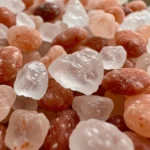

Have you ever noticed the beautiful, rose-colored crystals sparkling in gourmet kitchens and wellness blogs? That is Himalayan pink salt, a stunning natural mineral pulled from ancient sea beds deep within the Himalayan mountains. Its gorgeous hue and rustic texture have made it a star ingredient, rapidly gaining popularity in both the culinary and wellness worlds. But is it just a pretty face, or is there more to this salt than meets the eye? This guide will explore the incredible benefits and uses of pink salt, dive into what makes it unique, and see how it truly compares to regular table salt.
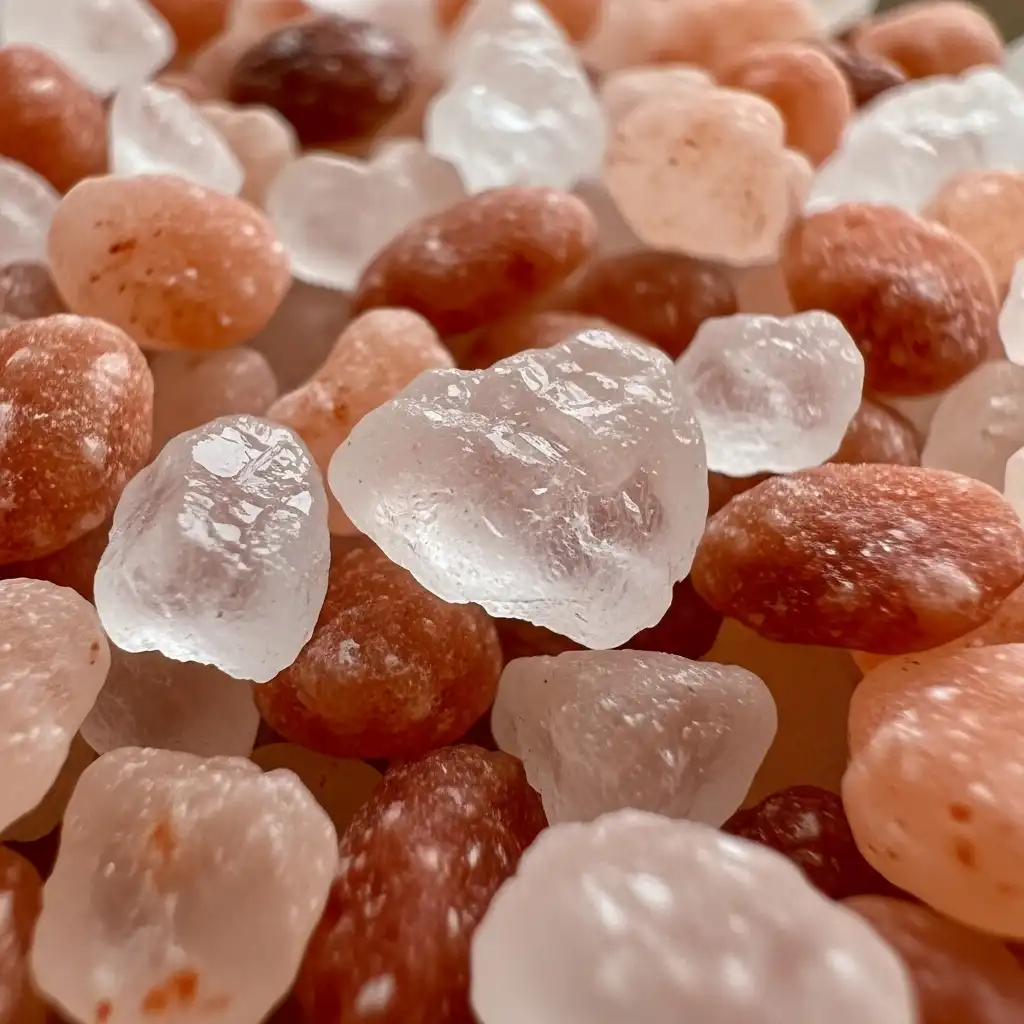
Table of Contents
The Allure of Pink Salt: More Than Just a Pretty Color
It’s easy to see why pink salt commands attention. Its beautiful, crystalline structure ranges from a subtle, translucent pink to a deep, dramatic rose, adding a touch of elegance to any spice rack or dinner table. But this salt’s appeal goes far beyond its good looks. The unique color is a direct result of the rich mineral content locked within each crystal, a testament to its ancient, untouched origins. These trace minerals, like iron, potassium, and magnesium, are what separate it from highly processed table salt.
This has earned it a reputation as a more natural and wholesome choice, making it a staple for those looking to elevate their cooking with pure, high-quality ingredients. While it’s a key player, it’s just one of many Essential Spices for Every Kitchen that can transform a meal from simple to spectacular.
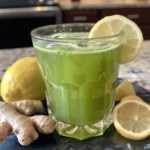
For a refreshing start to your day, many wellness enthusiasts enjoy a simple pink Himalayan salt detox drink to help balance electrolytes.
A Guide to Using Pink Salt
What is Pink Salt Made Of?
At its core, pink salt is chemically similar to table salt—it’s primarily composed of sodium chloride. However, its true value lies in what else it contains. Unlike heavily processed white salts, Himalayan pink salt is unrefined and hand-mined, which allows it to retain its natural mineral content. Its signature pink hue comes from a rich profile of dozens of trace minerals, including:
- Iron: The primary mineral responsible for its pink color.
- Potassium: An essential electrolyte that helps regulate fluid balance and nerve signals.
- Magnesium: Crucial for muscle function, energy production, and bone health.
- Calcium: Vital for strong bones and teeth, as well as nerve transmission.
This natural composition gives it a more complex flavor and a wholesome quality that refined salts simply can’t match.
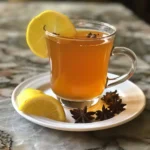
If you’ve heard about the viral trend online, you can learn exactly how to make the pink salt trick recipe with our simple, step-by-step guide.
How to Use Pink Salt in Your Kitchen
Pink salt’s versatility makes it a fantastic addition to any culinary toolkit. Its subtle flavor and satisfying crunch can elevate a wide range of dishes. Here’s how you can incorporate it into your cooking:
- As a Finishing Salt: This is where pink salt truly shines. Sprinkle coarse crystals over salads, avocados, grilled vegetables, or even chocolatey desserts right before serving. The crunchy texture and mild saltiness provide a delightful finishing touch that enhances both flavor and presentation.
- In Everyday Cooking: Swap out your regular table salt for fine-grain pink salt in marinades, rubs, soups, and sauces. It dissolves easily and provides a clean, balanced salinity to all your favorite recipes.
- On a Salt Block: For a truly unique culinary experience, try cooking or serving foods on a solid block of Himalayan salt. The block can be heated or chilled and imparts a delicate, savory flavor to meats, seafood, and even fruits.
- To Create Sole Water: A popular trend in the wellness community, sole water is a simple mixture of pink salt dissolved in water. Proponents drink a small amount each morning to help balance the body’s electrolytes and support hydration.
Before you try it, it’s important to understand what the recipe for the pink salt trick is and the ingredients involved.

The Power of Pink Salt: A Guide to Nature’s Most Beautiful Mineral

Equipment
- Salt grinder (for coarse salt)
- Airtight storage container
Ingredients
- 1 container Himalayan Pink Salt (coarse or fine grain)
Instructions
- Culinary Use – Finishing Salt: Sprinkle coarse pink salt over finished dishes like salads, grilled steak, roasted vegetables, or even chocolate desserts to add a crunchy texture and a burst of clean flavor.
- Culinary Use – Everyday Cooking: Replace regular table salt with fine-grain pink salt in marinades, sauces, soups, and baking recipes for a more natural, mineral-rich seasoning.
- Culinary Use – Salt Block Cooking: Heat a Himalayan salt block in the oven or on the grill. Cook thin slices of meat, seafood, or vegetables directly on it for a delicate, savory flavor.
- Wellness Use – Mineral Bath: Add 1–2 cups of coarse pink salt to a warm bath. Soak for 20 minutes to soothe sore muscles, reduce inflammation, and soften skin.
- Wellness Use – DIY Body Scrub: Mix 1/2 cup of coarse pink salt with 1/4 cup coconut or almond oil. Use as an exfoliating scrub in the shower for smooth, glowing skin.
- Wellness Use – Sole Water: Fill a jar 1/4 full with pink salt and top with filtered water. Let sit overnight. Each morning, add 1 tsp of the solution to a glass of water for electrolyte balance.
Notes
Pro Tips for Cooking and Storing Pink Salt
To get the most out of your Himalayan pink salt, a few simple tips can make all the difference. If you’re using coarse salt, it’s best to invest in a high-quality ceramic or glass grinder, as metal grinders can sometimes corrode over time. When it comes to flavor, you may notice that pink salt has a milder, more nuanced taste than the sharp, aggressive flavor of processed table salt, so don’t be afraid to season your food a little more generously. To keep your salt in perfect condition, proper storage is key. Prevent clumping by keeping it in a dry, cool place in an airtight container.
An organized and efficient storage system is crucial for maintaining the quality of all your spices, not just your salt. For more ideas on keeping your ingredients fresh and accessible.
Beyond the Kitchen: Other Uses for Pink Salt
While pink salt is a star in the culinary world, its benefits extend far beyond the kitchen. Its rich mineral content and purifying properties have made it a popular ingredient in beauty and wellness routines. You can easily transform your home into a sanctuary with these simple, non-culinary uses:
- Relaxing Bath Soaks: Elevate your bath time by adding a cup of coarse Himalayan pink salt to warm water. The minerals, particularly magnesium, can help soothe sore muscles, reduce inflammation, and detoxify the skin, leaving you feeling refreshed and rejuvenated.
- Himalayan Salt Lamps: These beautiful, glowing lamps are carved from large pink salt crystals. When lit from within, they emit a warm, calming amber glow that creates a serene atmosphere in any room. Many people use them to help purify the air and promote a sense of well-being.
- DIY Body Scrubs: Create a luxurious exfoliating scrub by mixing coarse pink salt with a carrier oil like coconut or almond oil and a few drops of your favorite essential oil. This natural scrub helps slough away dead skin cells, boost circulation, and leave your skin feeling incredibly soft and smooth. It’s a perfect addition to any at-home wellness routine, much like these other Natural Home Spa Treatments.
FAQs
What are the benefits of pink salt?
Its primary benefits come from a rich mineral content. Himalayan salt contains over 84 trace minerals, including potassium, magnesium, and calcium, which are essential for hydration. Many people use this natural salt to replenish electrolytes, support muscle function, and maintain a healthy pH balance.
Is pink salt healthier than white salt?
While both are mostly sodium chloride, Himalayan salt is considered a more natural and less processed option. It doesn’t contain the anti-caking agents or additives found in many table salts. The trace mineral content offers a slight nutritional advantage, though the main health benefit comes from its unrefined nature.
Is pink salt the same as Himalayan salt?
Yes, the two terms are generally used interchangeably. The name refers to the rock salt (halite) mined from the Punjab region of Pakistan, near the Himalayas. Its characteristic hue comes from mineral impurities found in the deposits.
Is pink salt good for high blood pressure?
Any salt should be consumed in moderation by individuals with high blood pressure. While it has trace minerals, it is still primarily sodium chloride, which can elevate blood pressure. This is not a “low-sodium” alternative. Anyone with hypertension should consult their doctor about total sodium intake, regardless of the source.
Conclusion:
From its dazzling appearance to its impressive mineral profile, Himalayan pink salt is far more than just a seasoning—it’s a versatile and natural ingredient that can elevate your lifestyle in countless ways. Whether you’re sprinkling it over a gourmet meal, soaking in a relaxing mineral bath, or simply admiring the warm glow of a salt lamp, it offers a touch of ancient purity in our modern world. So next time you reach for the salt, consider adding a dash of pink. We encourage you to explore its unique flavor and diverse benefits and discover how this beautiful mineral can enrich your home and kitchen.