
If you’ve ever wondered how to make lemon balm right at home, you’re in the perfect place. Lemon balm, known scientifically as Melissa officinalis, is a soothing herb cherished for centuries for its calming properties and gentle citrus scent. From herbal teas to homemade oils and extracts, lemon balm offers a versatile way to support wellness naturally without stepping foot into a pharmacy.
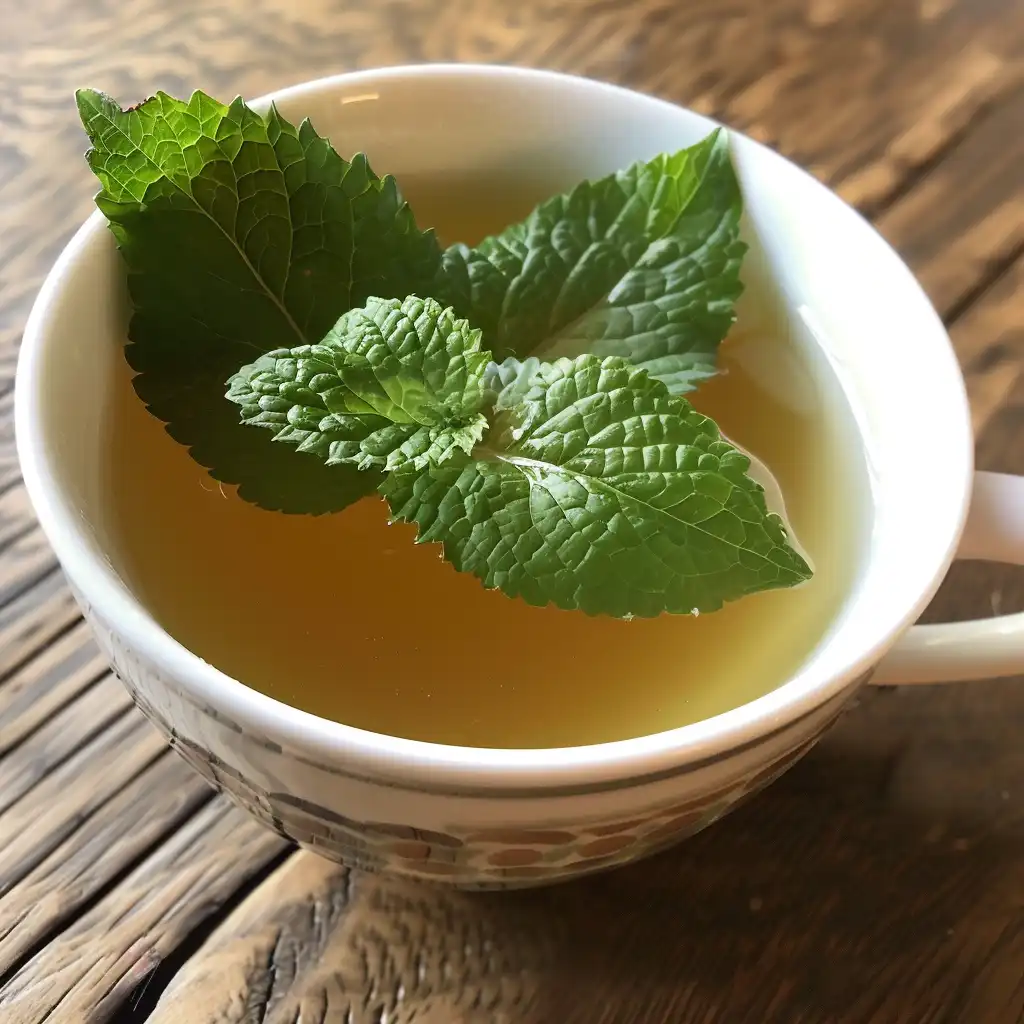
In this complete guide, you’ll discover how to create your own lemon balm remedies step by step, explore the amazing benefits of this gentle herb, and learn the essential dos and don’ts to stay safe. Whether you’re new to herbs or already an herbal enthusiast, by the end, you’ll know exactly how to make lemon balm teas, extracts, oils, and more.
Table of Contents
Want to discover other effective natural drinks for weight loss? Click here.
Introduction to Lemon Balm
What is Lemon Balm?
Lemon balm is a beloved herb that’s been cherished for centuries, and if you’re curious about how to make lemon balm, you’re not alone. Known by its botanical name, Melissa officinalis, this fragrant herb belongs to the mint family and carries a delightful lemony scent. With its fresh green leaves, lemon balm grows easily in gardens or containers, making it a perfect plant for beginners and herbal enthusiasts alike.
People all over the world use lemon balm for its natural calming effects, gentle flavor, and health-boosting benefits. Check out this comprehensive guide to lemon balm benefits on Healthline. If you’re wondering how to make lemon balm remedies for everyday wellness, you’ll find that the plant is incredibly versatile—used in teas, extracts, oils, and even cooking.
Historical and Modern Uses of Lemon Balm
Learning how to make lemon balm opens the door to a rich history of herbal wisdom. For centuries, healers and herbalists have used lemon balm as a natural remedy for stress, sleeplessness, and digestive discomfort. Learn more about the health benefits of lemon balm on WebMD. Even today, it remains a popular herbal ally for calming the mind and body without any harsh chemicals.
In medieval Europe, lemon balm was often brewed into tonics believed to lift the spirits and sharpen memory. The fresh leaves, when steeped, released oils that calmed nerves and soothed upset stomachs. Fast forward to modern times, lemon balm has found its way into herbal teas, natural skincare, and even weight-loss remedies. Many who learn how to make lemon balm also use it alongside other detox or fat-burning drinks to help improve digestion naturally.
Today, when you master how to make lemon balm, you gain access to a plant that can:
- Support mental clarity and focus
- Ease feelings of anxiety and restlessness
- Promote restful sleep
- Relieve mild digestive issues
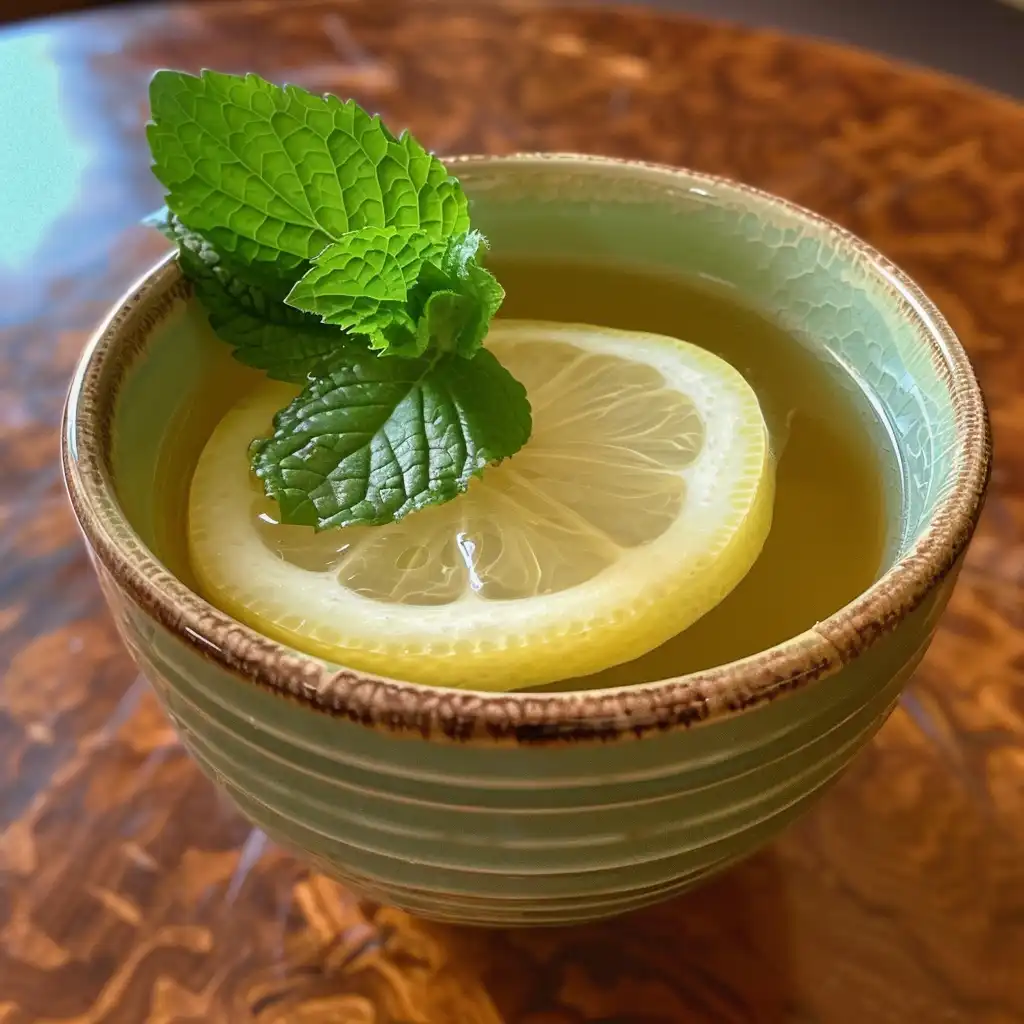
Health Benefits of Lemon Balm for Mind and Body
Lemon Balm for Stress, Anxiety, and Sleep
One of the top reasons people search for how to make lemon balm is because of its powerful calming effects. This gentle herb has been used for generations to ease tension, reduce anxiety, and promote better sleep—all without the side effects of pharmaceutical drugs.
Studies have shown that lemon balm can help:
- Calm the nervous system
- Improve mood and cognitive function
- Reduce restlessness and irritability
- Support deeper, more restful sleep
The active compounds in lemon balm, including rosmarinic acid and citral, interact with the brain’s GABA receptors, helping to promote relaxation and calm. Many people find that after learning how to make lemon balm tea, just one soothing cup before bed helps them fall asleep faster and wake up feeling refreshed.
Discover great ideas like Salt Water Flush And Pink Salt for additional natural wellness solutions.
If you often feel anxious or find it hard to wind down at night, making your own lemon balm remedies at home could offer a simple, natural solution. Plus, when you know how to make lemon balm yourself, you can be sure you’re using fresh, chemical-free ingredients.
Can Lemon Balm Help Lose Belly Fat?
A question I hear often is: Does lemon balm help lose belly fat? While lemon balm is not a magic weight-loss herb, it can be a helpful part of a holistic approach to wellness and weight management. Here’s how:
- Reduces Stress-Related Eating: Lemon balm’s calming effects may help curb emotional eating, which is often triggered by stress.
- Supports Better Digestion: Lemon balm tea can ease bloating and promote smoother digestion, helping you feel lighter.
- Balances Blood Sugar: Some studies suggest lemon balm may help balance blood sugar, which plays a role in weight control.
To maximize results, pair lemon balm tea with healthy eating habits and other natural metabolism boosters like Looking for inspiration? Try Chia Seed Drinks which support digestion and energy levels naturally.
That said, lemon balm works best when combined with an overall healthy lifestyle. Learn more about the health benefits of lemon balm on WebMD. Learning how to make lemon balm tea or extract gives you control over what you’re consuming—no hidden additives or artificial ingredients.
How to Make Lemon Balm Tea at Home (Simple Recipes)
Fresh vs. Dried Lemon Balm for Tea
When you first learn how to make lemon balm tea, one of the biggest decisions is whether to use fresh or dried leaves. Both options offer wonderful benefits, but they differ slightly in flavor, potency, and preparation.
Fresh Lemon Balm:
- Offers a brighter, lighter lemony flavor.
- Perfect if you’re growing your own lemon balm at home.
- Use about one handful (or 1 tablespoon chopped) per cup of hot water.
Dried Lemon Balm:
- Slightly stronger in flavor since it’s concentrated.
- More convenient to store and lasts longer.
- Use 1 teaspoon of dried lemon balm per cup.
Both versions provide the same gentle relaxation benefits. Once you know how to make lemon balm tea with either option, you can sip it anytime you need calm or digestive relief.
Don’t miss our other natural recipes like Bariatric Seed Recipe to complement your wellness routine.
Step-by-Step Lemon Balm Tea Recipe
Learning how to make lemon balm tea at home is incredibly simple and requires just a few ingredients:
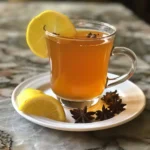
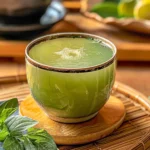
Homemade Lemon Balm Tea

Equipment
- Tea cup or mug
- Tea strainer or infuser
- Kettle
- Spoon
Ingredients
- 1 tablespoon fresh lemon balm leaves (or 1 teaspoon dried)
- 1 cup hot water (not boiling)
- honey (optional, to taste)
- lemon slice (optional)
Instructions
- Place fresh or dried lemon balm into a tea strainer or teacup.
- Pour hot water over the leaves, just under boiling temperature.
- Steep for 5–7 minutes to allow full flavor extraction.
- Add honey or lemon if desired.
- Sip slowly and relax.
Notes
The key when learning how to make lemon balm tea is not to rush. Allow the herbs to fully infuse the water with their calming properties. This tea can be enjoyed morning or evening and is especially helpful before bed or during stressful moments.
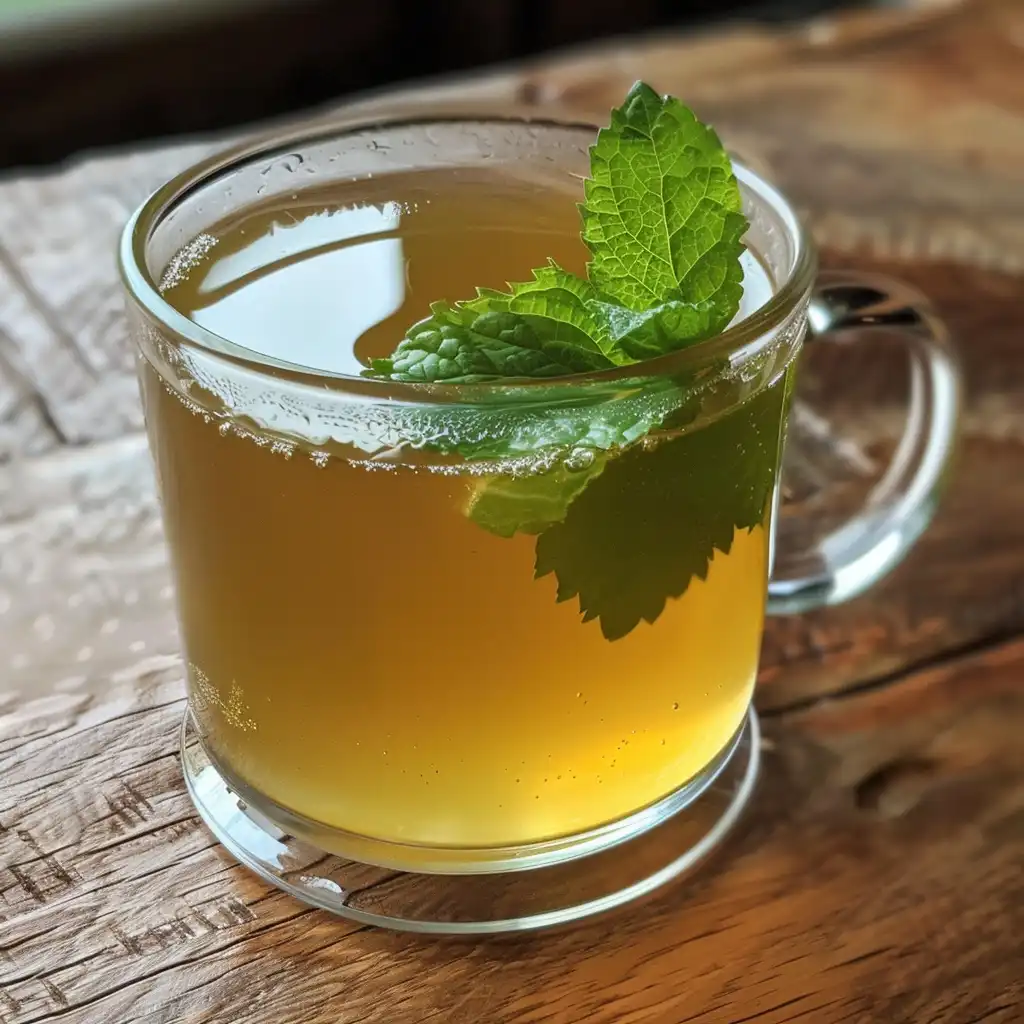
How to Make Lemon Balm Extract at Home
What is Lemon Balm Extract?
If you’ve already mastered how to make lemon balm tea, you may want to take things a step further by creating your own lemon balm extract. Unlike tea, which is water-based and consumed immediately, an extract is a potent, concentrated liquid that captures the herb’s medicinal properties and lasts for months.
Lemon balm extract—often called a tincture—can be used to:
- Ease anxiety and nervous tension
- Promote restful sleep
- Support digestion
- Calm the mind during stressful times
This remedy is incredibly versatile: you can take a few drops in water, add it to smoothies, or even use it in DIY skincare formulas.
For a gentle and natural alternative, explore our Natural Mounjaro Recipe to complement your herbal remedies.
Homemade Lemon Balm Extract Recipe (Alcohol & Alcohol-Free)
Here’s how to make lemon balm extract at home using two methods—one with alcohol and one without.
Alcohol-Based Lemon Balm Tincture
| Ingredient | Quantity |
|---|---|
| Fresh lemon balm leaves | Enough to fill a jar loosely |
| 80-100 proof vodka | To cover the leaves completely |
| Glass jar with lid | 1 (any size) |
Instructions:
- Lightly chop fresh lemon balm leaves.
- Fill a clean jar with the leaves, leaving a little room at the top.
- Pour vodka over the herbs until fully covered.
- Seal the jar and store in a cool, dark place for 4-6 weeks. Shake every few days.
- Strain the liquid into a dropper bottle.
That’s it—once you know how to make lemon balm extract this way, you’ll have a powerful herbal ally for months to come.
Alcohol-Free Glycerite Method
For those avoiding alcohol, here’s how to make lemon balm glycerite:
| Ingredient | Quantity |
|---|---|
| Fresh lemon balm leaves | Enough to fill jar |
| Food-grade glycerin | 3 parts |
| Distilled water | 1 part |
Follow the same steps as the alcohol method, replacing vodka with the glycerin-water mix. Steep for 6 weeks before straining.
How to Make Lemon Balm Oil for Skin & Relaxation
Benefits of Lemon Balm Oil
Once you’ve learned how to make lemon balm tea and extract, the next herbal adventure is crafting your own lemon balm oil. This gentle yet powerful oil is a favorite in natural skincare and aromatherapy because of its soothing properties.
Here’s why so many people want to know how to make lemon balm oil:
- Soothes irritated skin: It’s known for calming redness, itching, and minor irritations.
- Supports relaxation: The scent of lemon balm oil can help reduce stress and anxiety.
- Eases muscle tension: When massaged into sore areas, lemon balm oil offers natural relief.
It’s also perfect for homemade balms, lotions, and even massage oils. And because you know how to make lemon balm oil yourself, you can avoid artificial fragrances or additives often found in store-bought products.
Check out the powerful Brazilian Mounjaro Recipe for metabolism and energy support.
DIY Lemon Balm Oil: Step-by-Step Instructions
Here’s exactly how to make lemon balm oil at home using the infused oil method—no special equipment required.
| Ingredient | Quantity |
|---|---|
| Fresh or dried lemon balm | Enough to loosely fill jar |
| Carrier oil (olive, almond, or jojoba) | Enough to cover herbs fully |
| Glass jar with tight lid | 1 (clean and dry) |
Instructions:
- Lightly chop fresh lemon balm leaves or use dried.
- Place the lemon balm in the jar without packing it too tightly.
- Pour your chosen carrier oil over the leaves until fully submerged.
- Seal the jar and place it in a warm, sunny spot for 2 to 4 weeks, shaking gently every few days.
- Strain through cheesecloth into a clean glass bottle.
Congratulations—you now know how to make lemon balm oil! This homemade oil will last several months and can be used as a massage oil, in homemade creams, or even in calming bath soaks.
For even more inspiration on supporting wellness naturally, don’t miss our guide to Bariatric Seed Recipe, another homemade remedy to explore.
Safety, Side Effects & Who Should Not Use Lemon Balm
Who Should Avoid Lemon Balm?
As you explore how to make lemon balm teas, extracts, or oils, it’s crucial to understand that while lemon balm is generally safe for most people, it’s not suitable for everyone. Like all herbs, it can interact with certain health conditions and medications.
You should avoid lemon balm or consult a healthcare professional before use if you:
- Are pregnant or breastfeeding: Limited research exists on lemon balm’s effects during pregnancy.
- Have thyroid issues: Lemon balm may affect thyroid function and interfere with medication.
- Take sedatives or anxiety medications: It may increase the effects of these drugs, leading to drowsiness.
- Have allergies to plants in the mint family: As a relative of mint, it could trigger allergic reactions in sensitive individuals.
If you’re unsure, start small and always discuss with your healthcare provider, especially if you’re using other herbs or prescription drugs. This is a key consideration when learning how to make lemon balm safely.
Discover healthy ideas like this effective Zepbound Recipe for Weight Loss to support your journey.
Possible Side Effects of Lemon Balm
Although lemon balm is mild, some individuals may experience side effects, particularly if they consume large amounts or use highly concentrated extracts. Knowing how to make lemon balm the right way helps minimize the risk.
Possible side effects include:
- Drowsiness
- Headache
- Nausea or upset stomach
- Skin irritation (with topical use)
To reduce the risk, stick to recommended dosages and always patch-test homemade oils or extracts on a small area of skin first. Learning how to make lemon balm with proper care ensures you get the benefits without the drawbacks.
Growing, Harvesting, and Preserving Lemon Balm
Best Conditions for Growing Lemon Balm
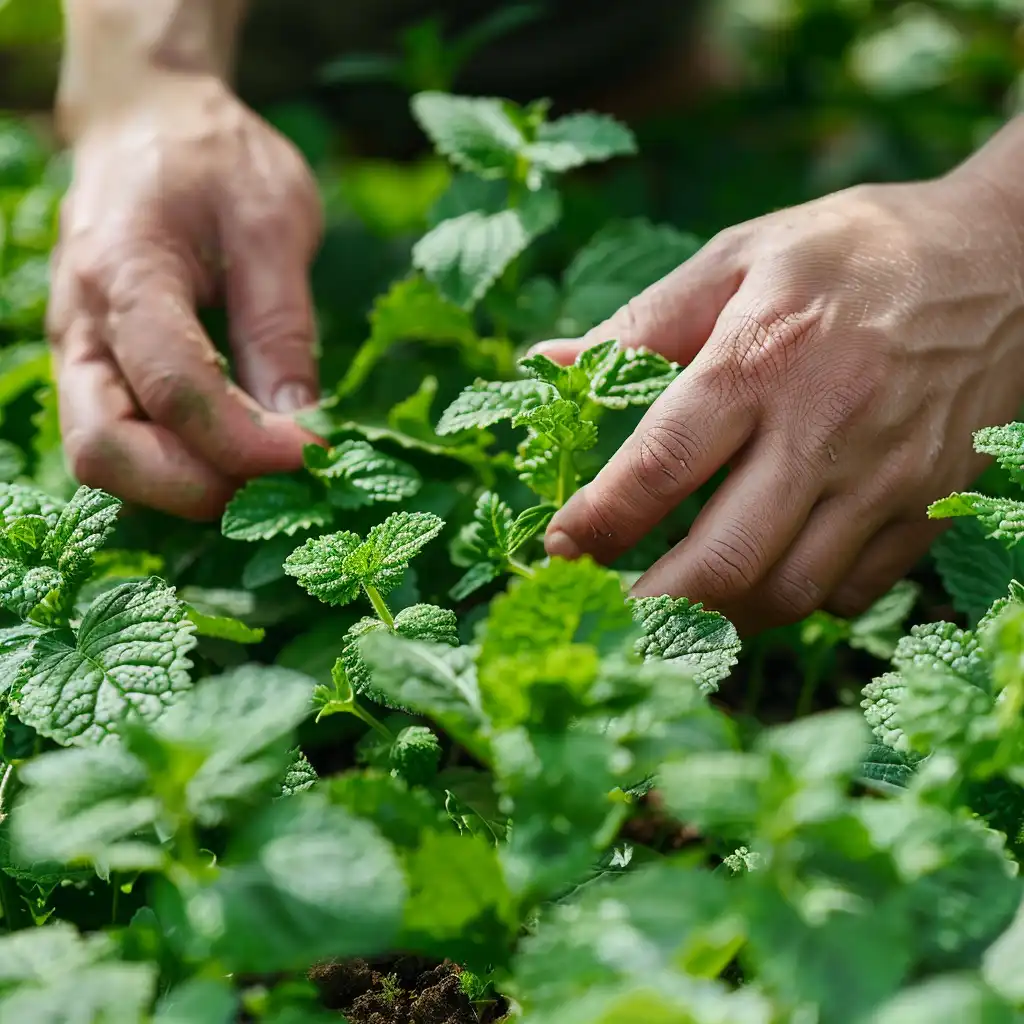
Learning how to make lemon balm at home is even more rewarding when you grow it yourself. Lemon balm is an easy-to-grow herb that thrives in many climates, making it perfect for beginners and seasoned gardeners alike.
Here’s what you need to know about cultivating lemon balm:
- Sunlight: Prefers full sun but tolerates partial shade.
- Soil: Well-drained, rich soil with good moisture retention.
- Watering: Keep soil slightly moist but avoid overwatering.
- Spacing: Plant 18 to 24 inches apart for healthy airflow.
Lemon balm is a perennial, meaning it comes back year after year. If you’re serious about how to make lemon balm for long-term use, starting your own herb garden is an excellent choice.
Looking for inspiration? Try the popular Pink Salt Trick Recipe to boost your routine naturally.
Harvesting and Drying Lemon Balm
Proper harvesting ensures that your lemon balm stays vibrant and effective for teas, extracts, and oils. Here’s how to do it:
- When to Harvest:
- Harvest just before the plant flowers for the highest essential oil content.
- Morning is best when oils are most concentrated.
- How to Harvest:
- Use clean scissors to snip off stems, leaving a few inches of growth so the plant can regrow.
- Avoid harvesting wet leaves to prevent mold.
- Drying Tips:
- Tie stems together and hang upside down in a warm, dry, shaded spot.
- Alternatively, use a dehydrator on the lowest setting.
- Store dried lemon balm in airtight containers away from heat and sunlight.
Once dried, you’re ready for the next step: using your harvest in recipes. When you know how to make lemon balm properly, your homemade remedies will be fresh, potent, and free of harmful chemicals.
Creative Ways to Use Lemon Balm Daily
Lemon Balm in Cooking and Baking
Once you’ve learned how to make lemon balm tea, oil, or extract, you’ll be amazed by how versatile this herb can be in the kitchen. Its bright, lemony taste pairs beautifully with both sweet and savory dishes, adding not only flavor but also a gentle calming effect.
Here are easy ways to use lemon balm in everyday cooking:
- Herbal Salads: Chop fresh leaves and toss them into green salads or grain bowls for a citrusy twist.
- Lemon Balm Pesto: Blend lemon balm with basil, olive oil, nuts, and Parmesan for a refreshing pesto.
- Infused Water or Lemonade: Add lemon balm leaves to cold water or lemonade for a fragrant herbal drink.
- Desserts: Mix finely chopped lemon balm into shortbread cookies, muffins, or cakes for a unique flavor.
Knowing how to make lemon balm part of your culinary routine adds both health benefits and flavor to your meals.
Don’t miss our guide on the Blue Salt Trick Recipe for a unique approach to wellness.
Lemon Balm for Skincare and Aromatherapy
Aside from the kitchen, another wonderful aspect of mastering how to make lemon balm is using it in your self-care rituals. Lemon balm contains natural anti-inflammatory and antimicrobial properties, making it an excellent addition to skincare and aromatherapy.
Here’s how you can use it:
- Facial Steam: Steep fresh lemon balm in hot water and use the steam to open pores and refresh skin.
- Calming Bath Soak: Add a few drops of homemade lemon balm oil to bathwater for relaxation.
- DIY Lip Balm: Infuse lemon balm oil into beeswax-based lip balm to soothe dry, irritated lips.
- Aromatherapy: Diffuse lemon balm essential oil (or the scent from homemade oil) to create a calming environment.
When you know how to make lemon balm at home, you can ensure that all your skincare and aromatherapy products are 100% natural and free from synthetic chemicals.
Conclusion: Embrace the Healing Power of Lemon Balm
Now that you’ve learned how to make lemon balm in all its forms—tea, extract, oil—you’re ready to bring this ancient herb into your daily life with confidence. Whether you’re sipping a calming tea, applying soothing oil, or crafting your own herbal remedies, lemon balm offers gentle, natural support for both body and mind.
By making your own, you control the quality and purity, avoiding unwanted chemicals found in many commercial products. Plus, the process of creating herbal remedies at home connects you to a timeless tradition of natural healing.
Expand your healthy habits with more natural drinks for weight loss recipes.
Follow us on Medium, and Pinterest for daily herbal wellness tips, easy lemon balm recipes, and natural remedies for stress relief, better sleep, and digestive health—perfect to save and share with friends.
FAQs
How to make lemon balm extract at home?
If you’re curious about how to make lemon balm extract, it’s surprisingly simple. You’ll need fresh lemon balm leaves and high-proof alcohol like vodka. Chop the leaves, place them in a glass jar, and cover with alcohol. Let it sit in a dark place for 4 to 6 weeks, shaking occasionally. Strain the liquid and store it in a dropper bottle. For an alcohol-free option, you can use vegetable glycerin instead.
Does lemon balm help lose belly fat?
While lemon balm isn’t a magic weight-loss cure, it can support weight management indirectly. It helps reduce stress-related eating, improves digestion, and may regulate blood sugar levels. Many people learning how to make lemon balm tea use it as part of a healthy lifestyle.
Can I make my own lemon balm tea?
Absolutely! Once you know how to make lemon balm tea, you’ll never go back to store-bought versions. Just steep fresh or dried lemon balm leaves in hot water for 5–7 minutes. Add honey or lemon for extra flavor. It’s one of the easiest and most soothing herbal teas you can prepare.
Who should not use lemon balm?
Not everyone should use lemon balm. Avoid it if you:
– Are pregnant or breastfeeding
– Have thyroid issues
– Take sedatives or anxiety medication
– Have allergies to mint family plants
If in doubt, consult a healthcare provider before exploring how to make lemon balm remedies for regular use.
How to make your own lemon balm oil?
To learn how to make lemon balm oil, fill a jar with fresh or dried leaves, cover with carrier oil (olive, almond, jojoba), and let it steep in a sunny spot for 2–4 weeks. Strain and store in a glass bottle. This homemade oil is great for skincare, massage, or relaxation.